A Cunningwoman's Guide to Lammastide: Lughnasadh (Lammas) Correspondences & Celebration Ideas
- cunningmisstori
- Jul 16
- 5 min read


As the long days of summer begin their slow descent toward autumn, the fields ripen with grain, orchards begin to swell with fruit, and the scent of earth carries the promise of harvest. This turning point of the year is known throughout many modern witchcraft traditions as Lughnasadh (pronounced LOO-na-sa or LOO-nuh-sah), while much of England and other parts of the British Isles historically celebrated Lammas, also called Lammastide.
Although these celebrations developed from different cultural and religious traditions, they share a common heartbeat: gratitude for the first harvest and an acknowledgment that every harvest comes through labor, sacrifice, and cooperation with the land.
For practitioners inspired by the traditions of the British Isles Cunning Folk, Lammastide offers a wonderful opportunity to blend historical customs with practical folk magic rooted in home, hearth, and the changing seasons.
What Is Lughnasadh?
Lughnasadh marks the first of the three traditional harvest festivals and falls around August 1st in the Northern Hemisphere. The festival takes its name from the Irish god Lugh, who was associated with craftsmanship, kingship, skill, poetry, and many forms of mastery.
According to Irish tradition, Lugh established the festival in honor of his foster mother, Tailtiu, who died after clearing the forests of Ireland to create fertile farmland for her people. Rather than being solely a religious observance, Lughnasadh became a time for communities to gather through games, athletic competitions, trade fairs, matchmaking, music, storytelling, and thanksgiving for the year's first harvest.
Its central lesson is simple yet profound: abundance is born from effort.
What Is Lammas or Lammastide?
While Lughnasadh has deep Gaelic roots, Lammas developed within Anglo-Saxon England. The word Lammas comes from the Old English hlāfmæsse, meaning "Loaf Mass."
Historically, families baked the first loaf from newly harvested grain and brought it to church to be blessed before sharing it among the household. Although Christianity influenced the observance, many older agricultural customs continued beneath the surface, creating a rich tapestry of seasonal folklore that blended faith with traditional country life.
For the Cunning Folk—village healers, charmers, and practical magicians—Lammastide represented far more than a religious holiday. It marked the beginning of the harvest season, a time when fields, gardens, hedgerows, and orchards provided the herbs, grains, fruits, and flowers that would sustain families through the coming winter.
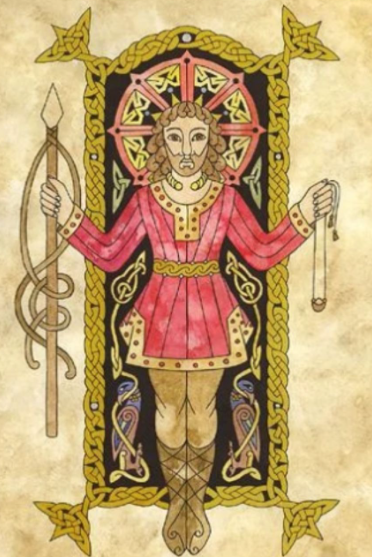
Lughnasadh Correspondences
Correspondences are symbolic associations that help guide magical work. While every practitioner develops personal relationships with these symbols over time, the following are among the most widely recognized for Lughnasadh and Lammastide.
Colors
Gold
Yellow
Amber
Orange
Deep Green
Warm Brown
Burgundy
These colors reflect ripened grain, late summer sunlight, fertile fields, and the first hints of autumn.
Herbs
Chamomile
Calendula
Sunflower
Rosemary
Mugwort
Bay Laurel
Heather
Meadowsweet
Thyme
Agrimony
Trees
Oak
Hazel
Apple
Rowan
Flowers
Sunflowers
Marigolds
Goldenrod
Heather
Cornflowers
Yarrow
Foods
Fresh bread
Oats
Wheat
Barley
Apples
Blackberries
Honey
Corn
Summer squash
Root vegetables
Fresh butter
Cheese
Incense
Frankincense
Cedar
Pine
Rosemary
Sweetgrass
Copal
Crystals
Citrine
Carnelian
Tiger's Eye
Amber
Pyrite
Moss Agate
Magical Themes
Gratitude
Prosperity
Skill and mastery
Harvest
Success through effort
Household abundance
Preparation for winter
Protection of home and crops

Lammastide Celebration Ideas for Cunning Folk
Modern witches often celebrate Sabbats through elaborate rituals, but the historical Cunning Folk were practical people whose magic naturally blended into daily life. Their seasonal observances often centered on work itself.
Here are several historically inspired ways I have celebrated Lammastide in the past.
Bake Bread with Intention
Few acts embody Lammas more completely than baking bread.
As you knead the dough, reflect on everything you have cultivated throughout the past year; not only material successes, but also personal growth, wisdom, relationships, and skills.
Before placing the loaf in the oven, quietly offer thanks for every blessing that has carried you to this point.
Once baked, share the bread with family, neighbors, or friends whenever possible. Hospitality has long been considered its own form of blessing.
Harvest Your Magical Garden
If you grow magical herbs, Lammastide is an ideal time to begin harvesting many of them.
Bundle herbs for drying, create incense blends, prepare oils, or begin assembling your apothecary for autumn and winter.
Each bundle becomes both practical medicine and a reminder that careful tending produces future abundance.
Visit Local Farms or Farmers Markets
Historically, harvest festivals were community celebrations.
Support local growers by purchasing seasonal produce, honey, handmade bread, flowers, preserves, or locally milled grain. Bringing fresh harvest foods into your home honors the agricultural traditions that gave rise to Lammas in the first place.
Refresh Your Household Protection
For many Cunning Folk, including myself, seasonal transitions were ideal moments to renew protective charms.
Sweep the home from back to front, wash thresholds with rosemary or hyssop-infused water, replace protective herb bundles above doors, and refresh protective charms kept near windows or hearths.
Rather than viewing protection as something performed only during crisis, traditional folk magic often treated it as regular household maintenance.
Thank Your Tools
Lugh was remembered as a master of many crafts.
Take time to clean and bless the tools that support your own work—whether tarot cards, gardening equipment, kitchen utensils, journals, ritual knives, sewing supplies, woodworking tools, or instruments of your profession.
Offer gratitude not only for the objects themselves, but for the skills you've developed while using them.
Begin Winter Preparations
Harvest festivals have always looked toward the future.
Start preserving herbs, organizing your pantry, drying flowers, freezing seasonal produce, or planning projects you'll work on during the colder months.
Preparation itself can become an act of practical magic.
A Simple Lammastide Offering
One beautiful folk custom is to prepare a small offering plate from your meal.
Include a piece of fresh bread, seasonal fruit, a little honey, and clean water.
Place the offering outdoors beneath a tree, in a garden, or somewhere meaningful to you as an expression of gratitude for the abundance that nature has provided.
Whether your practice honors ancestors, local land spirits, or simply the natural world itself, the spirit of the offering remains the same: to give thanks before asking for more.
The Spirit of the First Harvest
Lughnasadh and Lammastide remind us that every harvest has a story behind it.
Every loaf begins with countless grains. Every flourishing garden began with seeds. Every skill required patience, mistakes, and persistence.
For the Cunning Folk, magic was never separated from ordinary life. Tending a garden, baking bread, preserving herbs, repairing tools, and caring for one's household were not distractions from magical practice—they were magical practice.
As the Wheel of the Year turns toward autumn, may this season encourage you to recognize not only the abundance surrounding you, but also the work that brought it into being. Celebrate your victories, however small, offer thanks for the harvest at hand, and prepare with confidence for the seasons yet to come.


Comments