How to Start Practicing Witchcraft: A Complete Beginner's Guide
- cunningmisstori
- 7 days ago
- 6 min read

If you've found yourself wondering, "How do I actually start practicing witchcraft?" you're not alone. It's one of the most common questions I hear from people who are curious about the Craft.
The good news is that you don't need an expensive altar, dozens of crystals, or a bookshelf full of occult texts before you can call yourself a practicing witch.
Witchcraft begins with observation, intention, and practice.
Like learning to play an instrument or speak another language, witchcraft develops through consistent study and hands-on experience. There isn't one "right" path. Instead, you'll gradually discover what resonates with your beliefs, your culture, your interests, and your spiritual worldview.
If you're just beginning your journey, here's where I recommend you start.
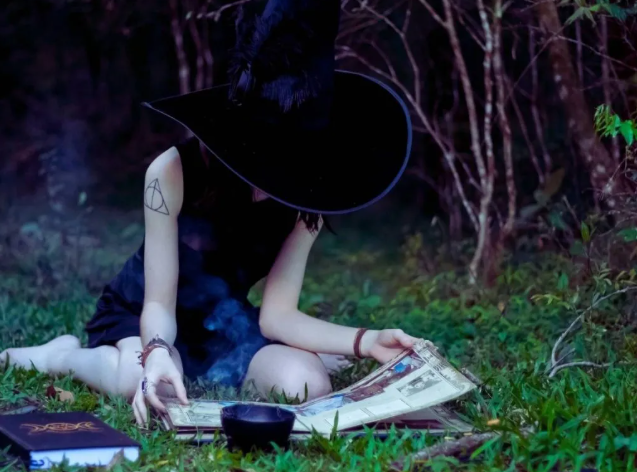
Step 1: Learn What Witchcraft Actually Is
One of the biggest misconceptions is that witchcraft is a religion. It isn't. Witchcraft is a practice. It is the art of using symbolism, intention, ritual, and natural correspondences to create meaningful change. Some witches are religious. Some are Agnostic or secular. There are witches who are pagan, Christian, Jewish, Buddhist, animist, atheist, or simply spiritual.
Your beliefs will shape your practice, but they don't have to fit anyone else's mold.
As you learn, you'll also discover that there are many traditions and approaches, including:
Folk magic
Traditional witchcraft
Ceremonial magic
Green witchcraft
Kitchen witchcraft
Hedge witchcraft
Eclectic practice
Don't worry about choosing a label right away. Explore first and let your practice grow naturally. Chances are that the label you identify most with now will not be the label you identify in 10 years anyway, so learn the names for different practices but don't feel like you need to choose a path right now.
Step 2: Read Before You Cast
One of the best investments you can make is in your education. Instead of jumping straight into complicated rituals, spend time understanding the foundations of witchcraft. Learn about how and why witchcraft work first before learning how to do it.
Some excellent beginner books include:
Grimoire for the Solitary Witch by Silver RavenWolf
Psychic Witch by Mat Auryn
The Crooked Path by Kelden
The Encyclopedia of Witchcraft by Judika Illes
The Modern Witchcraft Guide to Magickal Herbs by Judy Ann Nock
Read with curiosity rather than trying to memorize everything. Your understanding will deepen with experience and you'll never be an expert (and any witch who tells you they are are lyingggggg).
Step 3: Start Observing Nature
Historically, many forms of witchcraft grew out of close relationships with the natural world. I don't recommend getting into the nitty gritty of learning doctrine of signatures just yet, but suffice it to say that magickal correspondences came out of the mundane world, not the other way around, so start looking around you.
Spend time noticing:
the phases of the Moon
local plants and trees
changing seasons
weather patterns
bird and animal behavior
sunrise and sunset
Keeping a nature journal is one of the simplest and most rewarding magical practices. Over time, you'll begin to notice rhythms and patterns that help ground your work. Talk to the plants. Listen to the moon. Even if you feel silly, start doing it anyway. One day it'll make sense.
Step 4: Learn Basic Correspondences
Correspondences are symbolic relationships that help guide magical work.
For example:
Rosemary — protection, remembrance, purification
Lavender — peace, calm, restful sleep
Cinnamon — prosperity, passion, success
Bay Leaves — wishes, victory, manifestation
Don't worry about memorizing endless lists. Pick one herb, one color, or one symbol each week and learn how it has been used historically and in modern practice.
((If you'd like to learn more on doctrine of signatures, consider hiring me as your magickal teacher wink wink))
Step 5: Begin a Grimoire
A grimoire is your personal magical notebook. For the modern witch, it is often synonymous with a Book of Shadows, even though I'd argue that there are some fundamental differences but I digress.
It doesn't need to look old or elaborate. A simple notebook is more than enough.
Consider including:
herbs you've studied
moon phases
tarot notes
dreams
successful spells
correspondences
prayers or poems
personal reflections
rituals you've written
Your grimoire should grow with you. It's a record of your own journey, not a project that has to look perfect.
Step 6: Learn Meditation
One practice I recommend to every beginner is meditation.
Many people want to jump directly into spellwork, but learning how to quiet your mind and focus your attention will strengthen nearly every magical practice you undertake.
Even five to ten minutes a day can help improve:
concentration
visualization
intuition
emotional awareness
ritual focus
Magic often begins with learning to direct your own attention. Your brain doesn't need to become silent. That is rarely the point of meditation in the first place. To quiet your mind simply means to be able to focus on the intention or spell at hand without losing much attention throughout the entirity of the spell. It takes some practice but the aim is to let your thoughts fly by without losing focus on the present. Once you get that down, your magick evolves.
Step 7: Create a Simple Sacred Space
An altar doesn't have to be elaborate. A small shelf, a windowsill, or even a wooden box can become a meaningful place for practice. It also doesn't have to be a permanent set up either. In fact, most folk practitioners in history did not have a dedicated altar space in their homes. They used what they had available in their houses at the time and built temporary altars for a purpose before breaking everything back down. However, if you would like to have a permanent altar,
You might include:
a candle
a small bowl for offerings
a feather or stone
a favorite plant
seasonal decorations
meaningful photographs or symbols
Your sacred space should reflect your relationship with your practice—not someone else's aesthetic.
Step 8: Practice One Simple Spell
You don't need an elaborate ritual to begin.
A simple candle spell can teach you many of the fundamentals.
For example:
choose a candle that matches your intention
write a short petition
spend a few moments focusing on your goal
light the candle safely
reflect while it burns
record your experience in your grimoire
Pay attention to how you feel before, during, and after the ritual. Those observations are just as valuable as the ritual itself.
Step 9: Develop a Daily Practice
The most experienced witches aren't necessarily the ones performing dramatic rituals every week. They're the ones who practice consistently. Magick is found in the smallest, simplest of practices.
Daily habits might include:
pulling one tarot card
observing the Moon
meditating
tending herbs or plants
journaling
reading a few pages from a trusted book
lighting a candle with intention
Small, regular practices build confidence over time.
Step 10: Be Patient With Yourself
Perhaps the most important lesson I can share is this:
You do not have to know everything before you begin.
Every experienced witch was once someone nervously asking, "Am I doing this right?"
Your practice will change as you grow. You'll discover traditions that resonate deeply, books that challenge your thinking, and rituals that become uniquely your own.
Allow yourself to be a student.
Ask questions.
Experiment thoughtfully.
Keep learning.
There is no finish line in witchcraft—only a lifelong path of curiosity, observation, and practice.
Final Thoughts
Starting witchcraft isn't about collecting the most tools or performing the most complicated rituals. It's about developing a relationship with the world around you, learning the history behind magical practices, and discovering what brings meaning to your own path.
Begin simply.
Study often.
Practice consistently.
And remember that every page you read, every herb you learn, every journal entry you write, and every quiet moment of reflection is already part of your magical journey.
Frequently Asked Questions
Can anyone practice witchcraft?
Yes. Witchcraft is a practice that can be learned through study, observation, and experience. Many traditions have their own customs and teachings, but there is no universal requirement that someone be "born a witch."
Do I need expensive tools?
No. Many practitioners begin with little more than a notebook, a candle, and a willingness to learn. Knowledge and consistent practice are far more valuable than collecting supplies.
How long does it take to become a witch?
There is no endpoint. Witchcraft is a lifelong practice of learning, experimenting, and refining your skills over time. I am testament to that as a lifelong student of the occult.
What should I learn first?
Focus on the foundations: meditation, correspondences, journaling, nature observation, and the history of different magical traditions. These skills will support everything else you explore.


Comments